
Born From the Stars: The Universe Lives in You
You are made of atoms forged in ancient stars. Every breath you take carries the story of supernovae, galaxies, and the universe itself. You’re not just existing in the universe. You are the universe, alive, wondering, and shining!
You Are a Time Traveler (You Just Didn’t Know It)
Look up, and you unlock a superpower: the ability to travel through time! Every star is a message from the past, crossing millions or billions of years just to reach you. The universe has been sending its light your way for eons. Because you are the destination.
The Stars Remember Everything
Starlight is ancient memory made visible. Even after a star fades, its light keeps traveling, telling its story across the universe. Our lives are the same: every act of kindness, courage, or creativity becomes a trail of light that continues long after we release it.
Astronomy as a Form of Mindfulness
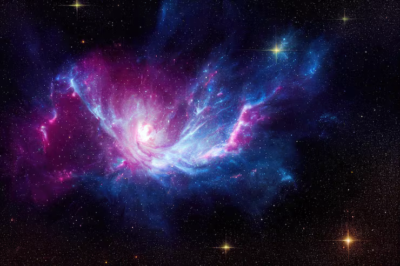
There’s a special stillness in the night sky, a calm that pulls us out of the rush of everyday life. Focusing on a single star becomes its own meditation, a way to breathe with the universe and rediscover presence, perspective, and peace.
How Space Teaches Us More Than Science
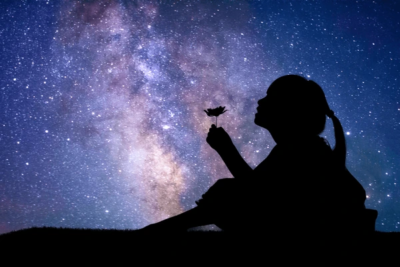
Astronomy reveals a lot more than science! It shows us how to slow down, stay curious, embrace change, and feel connected to the universe and each other. Sometimes all it takes is one glance at the night sky to remember what truly matters.
What the Night Sky Teaches About Perspective
The night sky doesn’t erase our worries, but it changes their shape. One quiet look upward and everything feels a little lighter, a little farther away, and a little easier to breathe through. That’s the gift of perspective.
The Universe is Full of Connection
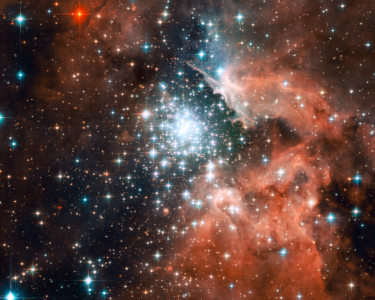
We are all connected not just metaphorically, but physically: the atoms in our bodies were forged in ancient stars, shared across galaxies, across time, and across every human who has ever lived. The universe isn’t empty. It’s a vast web of relationships, and we’re woven right into it!
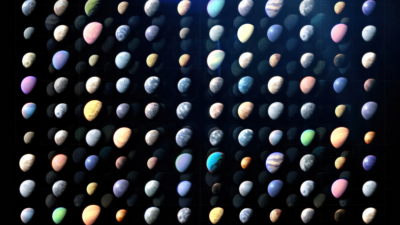
Exoplanets: Worlds of Possibility
Every star you see likely has planets orbiting it, and every one of those worlds holds a story. Some race around their stars in hours, some glow with intense heat, and some might even resemble Earth and be able to host life! Exoplanets are cosmic invitations to imagine what else is out there.
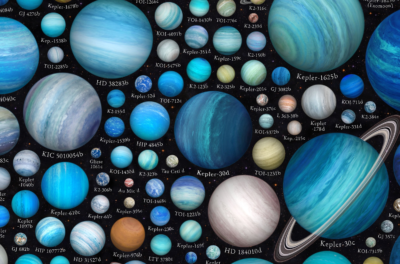
A Tour Through the Types of Exoplanets
The universe doesn’t make just one kind of world. It creates gas giants, icy Neptunes, rocky Earth-like planets, and super-Earths we don’t even have in our own Solar System. This tour shows how wildly imaginative our cosmos really is.
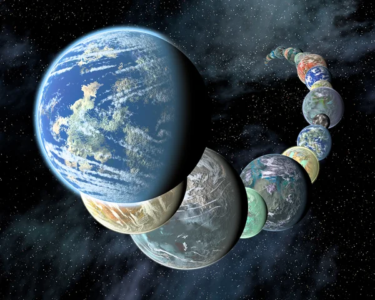
What Makes a World “Habitable”?
What makes a planet “habitable”? Just one thing: the potential for liquid water. From the right orbit to the right atmosphere, habitability is a spectrum of possibilities, each one a reminder that life might have places to bloom far beyond our own world.
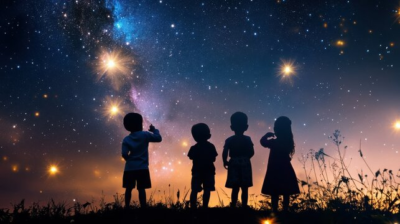
Are We Alone? What We Know About Life Beyond Earth
From ancient starlight to newly found exoplanets, everything we’ve learned hints that life may not be unique to Earth. The building blocks are everywhere, and worlds with the right conditions are common. The universe feels too creative for life to be a one-planet miracle!
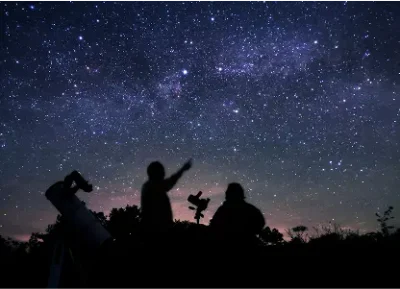
Why Stargazing Still Matters in a Digital World
Screens shrink the world into little boxes, but the night sky expands it again. Stargazing brings back wonder, slows us down, and reconnects us to the quiet, timeless part of being human. It’s one of the few experiences technology can’t replicate.
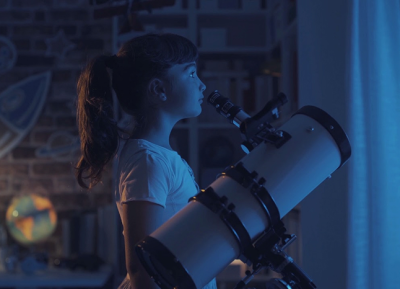
Girls in Space Science
Girls have always belonged in space science, even when the world forgot to make room for them. From pioneering astronomers of the past to the rising stars of today, girls bring imagination, courage, and wonder to a field that thrives on curiosity. The sky is wide, and every girl who looks up has a place in it.
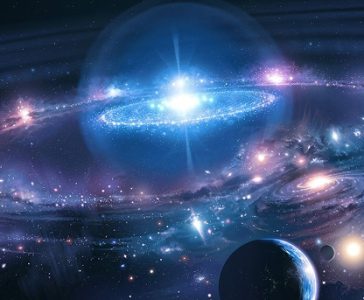
Our Place in the Cosmos Is Smaller, and Bigger, Than We Think
Looking up at the night sky reveals a beautiful paradox: we’re just one small part of an enormous universe, yet built from stardust and capable of wonder, curiosity, and love. We are both insignificant and extraordinary at the same time.
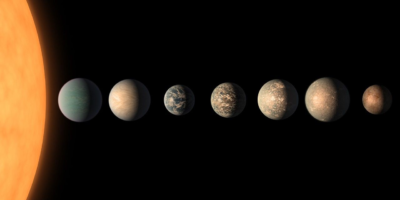
How We Detect Exoplanets
We find exoplanets not by spotting them, but by noticing their influence: the way they dim a star, tug on it, or bend light across space. From transits to microlensing, every technique reveals entire worlds through the faintest celestial signatures.
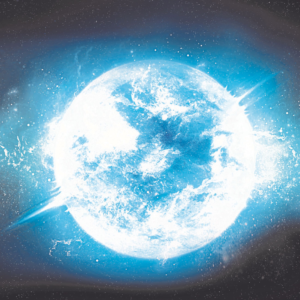
Why I Research Exoplanets Around White Dwarfs (and How!)
Most exoplanet hunters chase warm, sunlit worlds, but I research planets orbiting the quiet embers of “dead” (not really) stars. White dwarfs are cosmic fossils, and the worlds that survive around them are stories of resilience, mystery, and second chances. Their signals are faint, strange, and beautiful, and I love uncovering them.
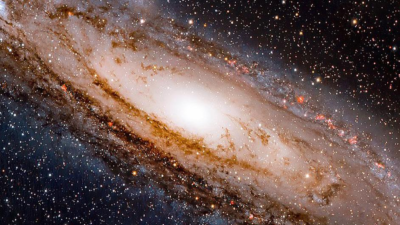
Cosmology: Exploring the Universe (and Finding Ourselves Inside It)
Cosmology asks the biggest questions ever asked: about origins, time, matter, and the future of everything. And in that vastness, it teaches us something human: that mystery is meaningful, that connection is cosmic, and that our tiny moment in the universe is still part of an extraordinary story.
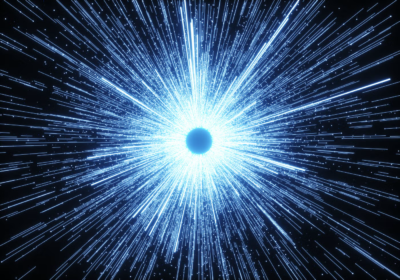
The Big Bang Theory: How Everything Began
The Big Bang wasn’t an explosion in space. It was the birth of space itself! From a tiny, hot beginning came every star, every galaxy, and every atom in our bodies. It’s the universe’s ultimate reminder that enormous, beautiful things can grow from the smallest spark.
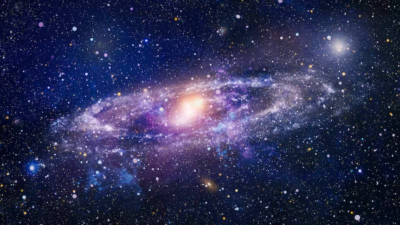
The Expanding Universe
The universe isn’t static: it’s stretching, growing, widening every second. Galaxies drift apart not because they’re moving, but because space itself is expanding. We live inside a cosmos that’s always becoming something more, and that makes our moment in it feel even more extraordinary.
Simulation Theory: What If Reality Isn’t What It Seems?
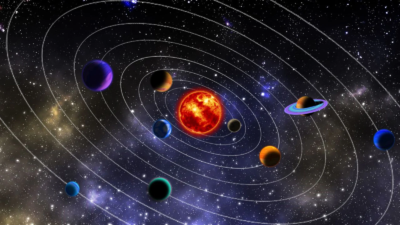
What if everything we see (stars, galaxies, even ourselves) is part of a cosmic simulation created by a far-advanced civilization? Simulation theory may sound like sci-fi, yet scientists take it seriously. Whether or not it’s true, exploring the idea stretches our minds and reminds us that wonder, meaning, and curiosity are real, simulated or not.
Higher Dimensions: More Than Meets the Eye
What if the universe has more dimensions than the three we live in? String theory and cosmology propose hidden layers of space curled just out of sight: dimensions that might influence gravity, particles, even the birth of the universe. Higher dimensions remind us that reality is deeper than our senses.
The Outer Universe and the Inner Universe
Astronomy helps us explore two universes at once: the vast cosmos above us and the inner world within us. The sky gives us perspective; our feelings give it meaning. Somewhere between starlight and thought, the outer and inner universes meet.
Infinity in Both Directions
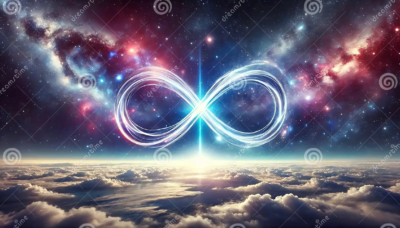
Look outward and the universe seems endless. Look inward and the microcosmos is just as infinite. These two scales, cosmic and microscopic, mirror each other, and we exist right between them. Infinity above us, infinity within us, and meaning in the middle.
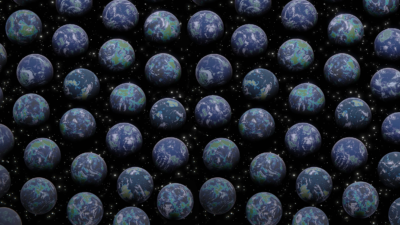
The Multiverse: What If Our Universe Isn’t the Only One?
What if our universe is just one bubble in a vast cosmic ocean? The multiverse invites a wild possibility that our universe is part of a much larger cosmic landscape. From bubble universes to quantum branches, the idea stretches our minds and reminds us that reality may be far deeper and more mysterious than we can see.
My Favorite Astronomy Quotes
Astronomy has given us words that shine as brightly as the stars themselves. These quotes remind us why we wonder, why we dream, and why the universe feels both vast and personal at the same time.
Everything That Had to be Right for Life on Earth
Earth didn’t just happen to support life. Millions of cosmic conditions aligned in a way that feels almost impossibly precise. The right star, the right distance, the right atmosphere, the right moon, even Jupiter’s protection… all of it came together so that life could begin in a rare, fragile masterpiece of perfect conditions.
How the Cosmos Connects Us Across Distance & Time
Every time we look up, we touch something timeless. Light from distant stars, atoms forged in supernovas, constellations shared by civilizations — all of it reminds us that we’re part of a story that spans light-years and centuries. The cosmos unites far more than it separates.
If Stars Had Diaries: A Life Cycle Story
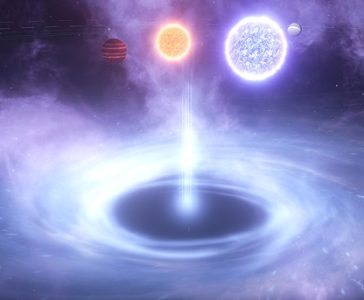
Stars don’t speak, yet their entire lives are written in light. From nebula birth to red-giant transformation to stardust rebirth, a star’s story is a cosmic autobiography billions of years long. If stars had diaries, their pages would be full of fire, change, and creation.
Why the Night Sky Connects Us Across Time
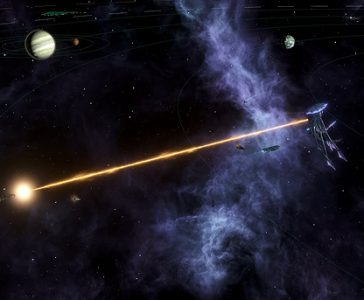
The night sky is a bridge across centuries. Every star you see is ancient light, and every constellation is a story shared by generations before you. When you look up, you’re not just seeing the present; you’re touching the past.
Wonder As a Form of Strength
In a world that values answers, wonder invites us to stay curious. It softens stress, sparks imagination, and reminds us that awe is a universal force shared by every culture that has ever looked at the stars. Wonder is its own kind of power.
A Sky Full of Stories
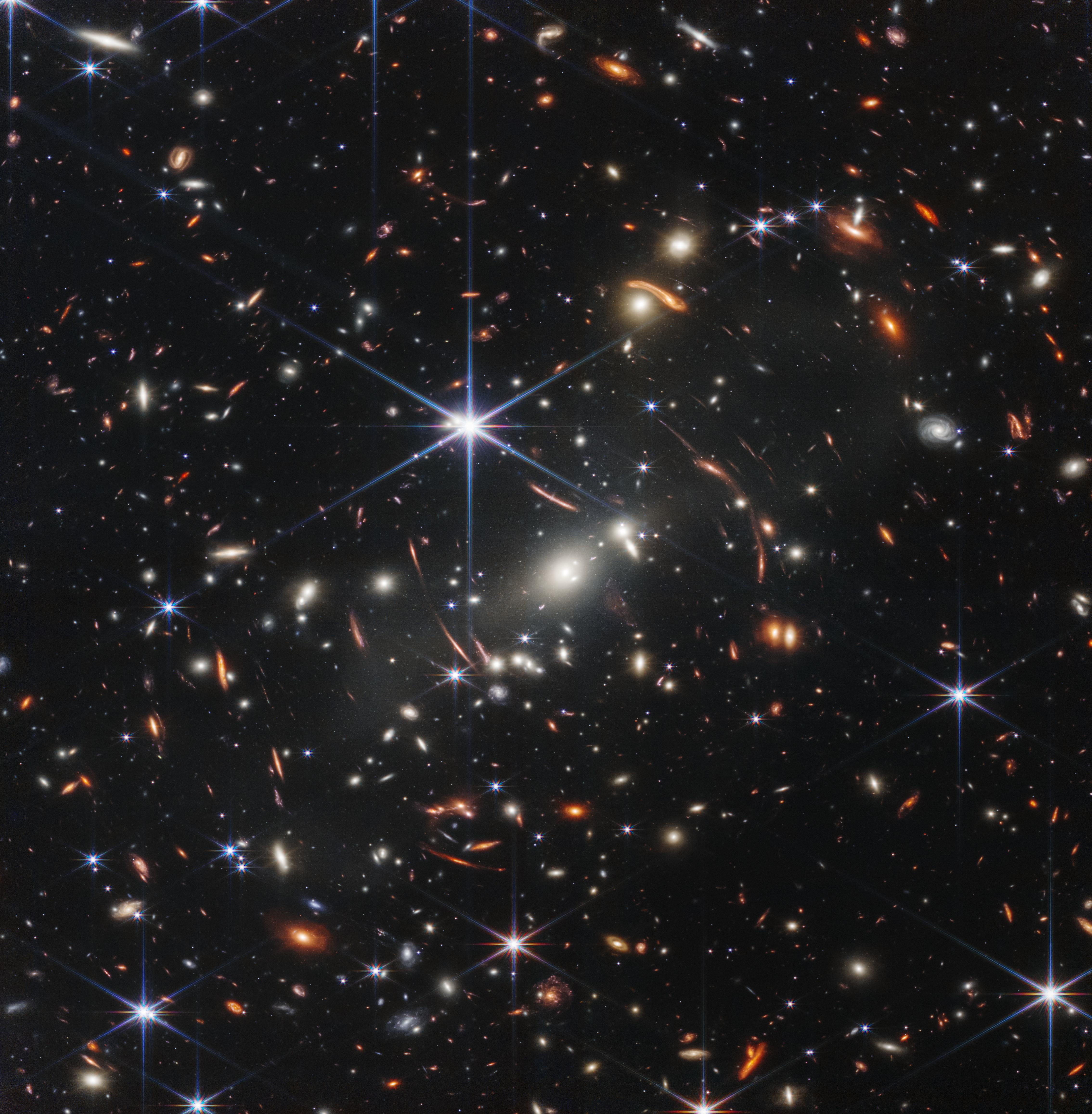
The night sky has always been more than stars: it’s a library of stories. For thousands of years, cultures across the world looked at the same constellations and wrote their own myths, memories, and meanings into the darkness. The sky isn’t just full of stars. It’s full of us!
How Science and Awe Coexist
We often hear that knowledge kills magic, but astronomy shows the opposite. Understanding how the universe works makes it feel even more mysterious and meaningful. Science explains; awe inspires. Together, they create a richer way of seeing the universe.
